Glory
Map Layout


Additional info
 7 columns, 7 paths drawn from the bottom row
 15 floors: the Ancient, 13 rooms, the boss · 14 in co-op, one room fewer
 The first room is a fight; the first 2 fights come from the weak pool
 5 elite rooms (8 with Swarming Elites), never in the first five rooms
 A rest site always sits on the row before the boss, never in the first five rooms
 Treasure and merchants never follow their own kind; a fork never repeats a room type
 A ? room is usually an event: a fight 1 in 10, a merchant 3 in 100, a chest 2 in 100
Bosses
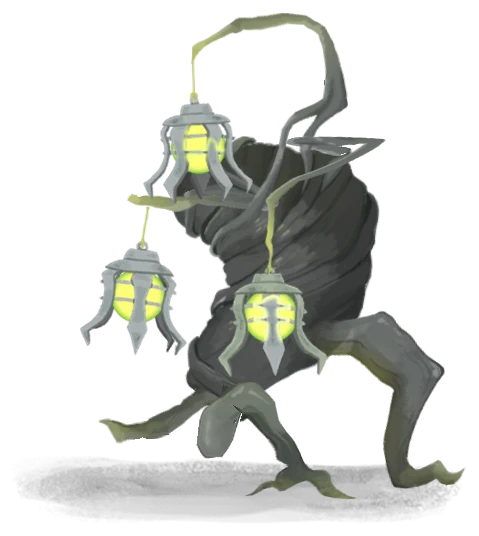
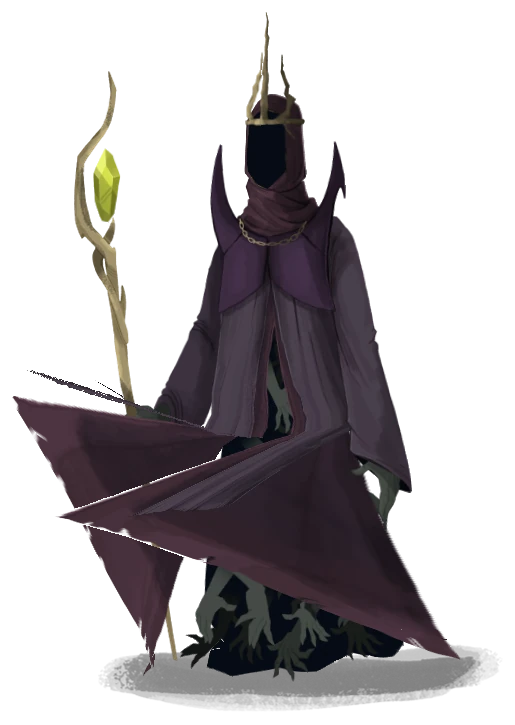
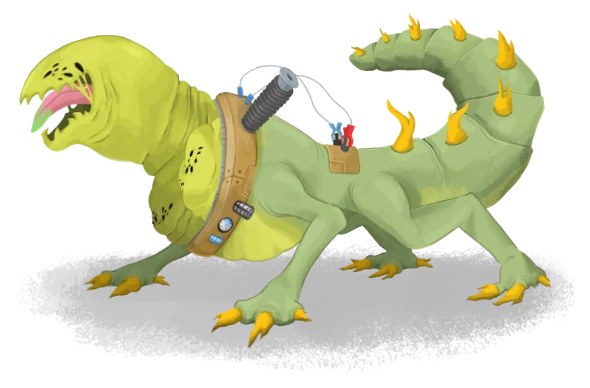
In a standard run you get a boss you have not fought yet, until you have met all 3. A boss pays 100 gold (75 with Poverty).

Elites
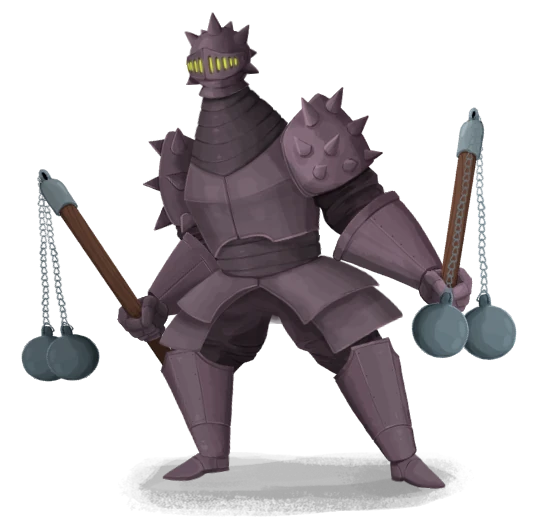
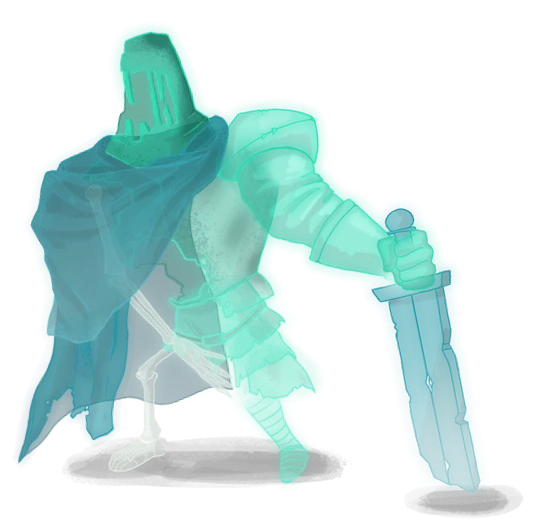
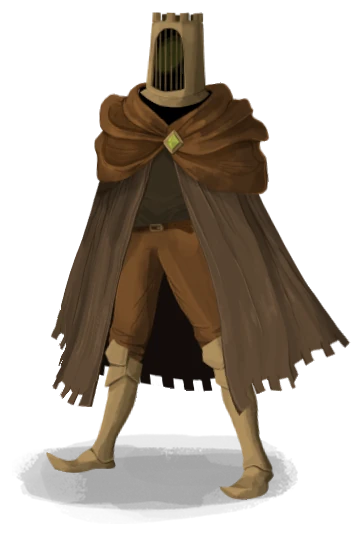
Never the same elite twice in a row. An elite pays 35 to 45 gold and drops a relic.

Weak pool
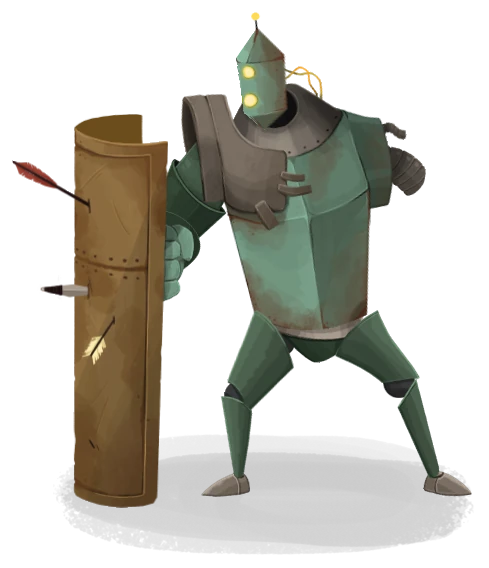
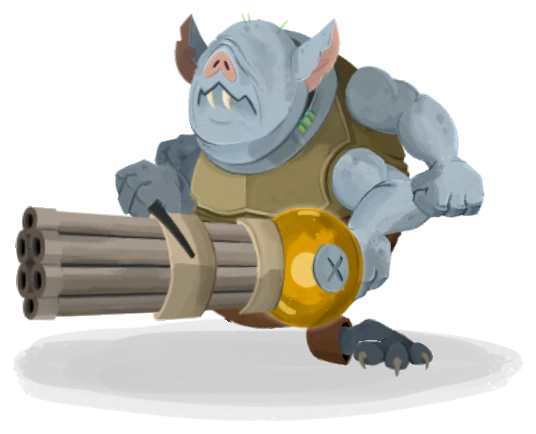
Each is 1 in 3. No fight comes twice. A fight pays 10 to 20 gold (7 to 15 with Poverty).
Full rules
The first 2 monster rooms you enter take their fight from these 3. The game deals the fights out before you climb: it takes them from the pool one at a time, each equally likely, and puts none back until the pool is empty.
Some fights never follow each other, in either pool: Scrolls of Biting and Many Scrolls of Biting. The game skips such a fight while it has another one to deal.
Normal pool
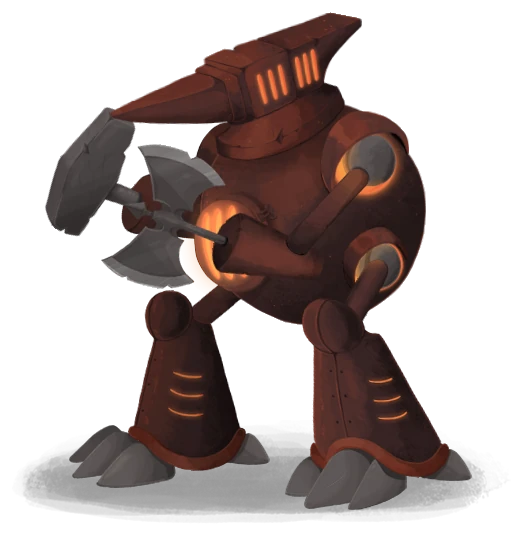
 74 HP
74 HP
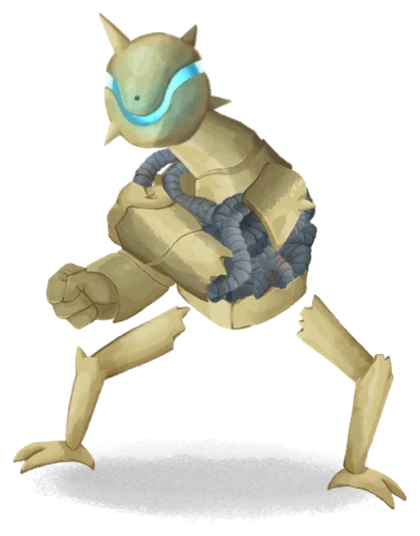
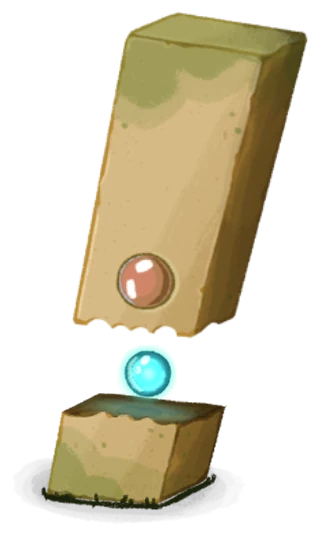 185 HP in total
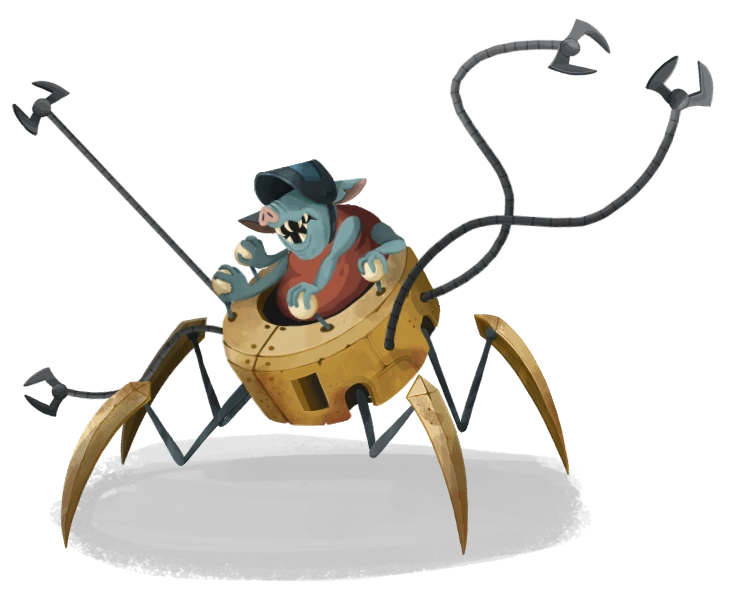 150 HP
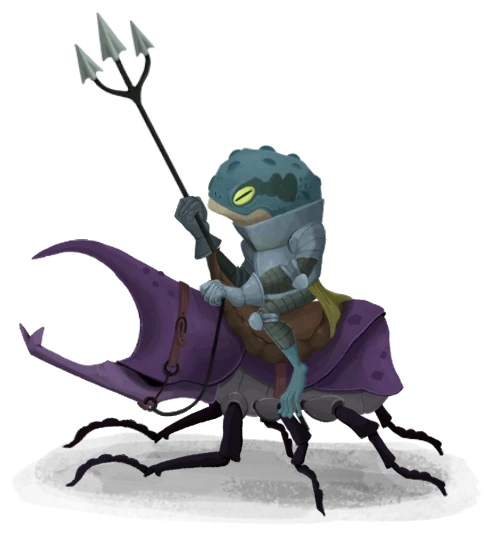 191 HP
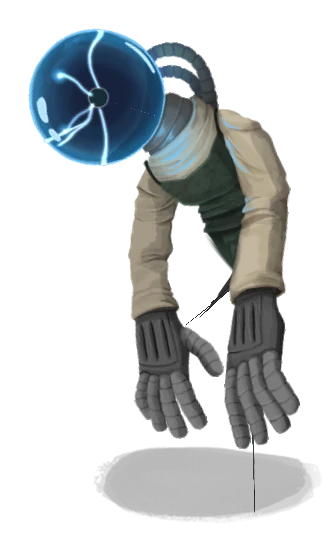 148 HP
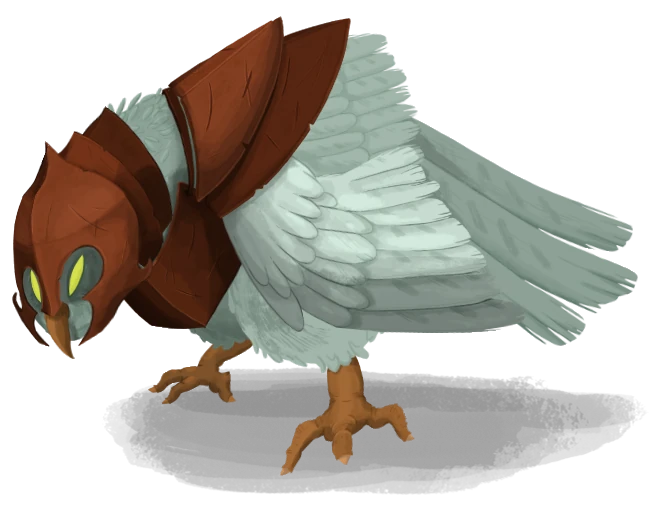 231 HP
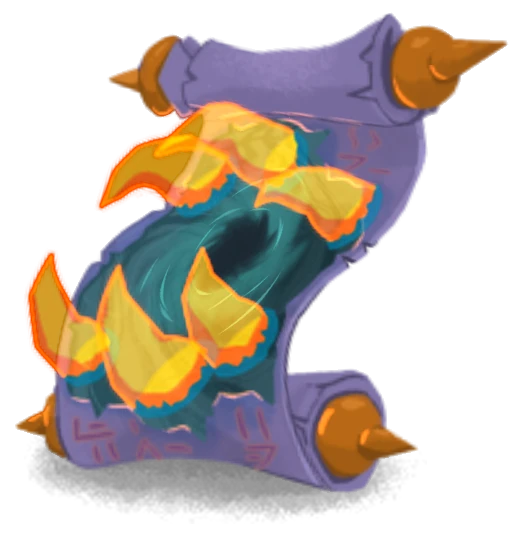 136 HP in total
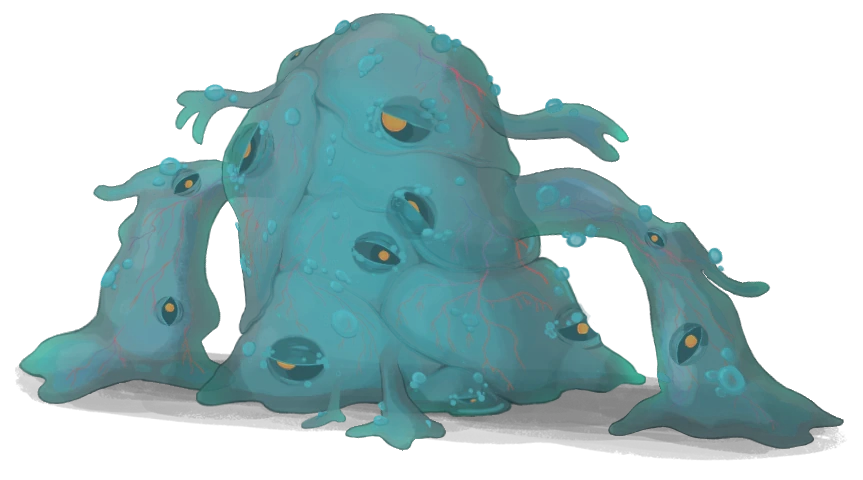 261 HP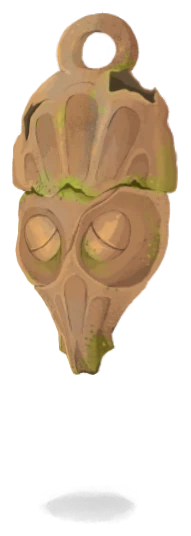
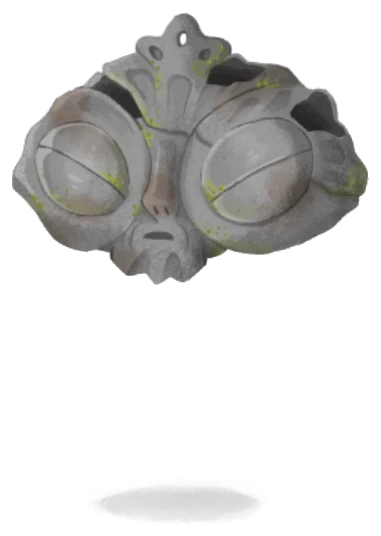 199 HP in total
Each is 1 in 9. No fight comes again until all 9 have come up. A fight pays 10 to 20 gold (7 to 15 with Poverty).
Full rules
Every monster room after the first 2 takes its fight from these 9. The game deals the fights out before you climb: it takes them from the pool one at a time, each equally likely, and puts none back until the pool is empty.
Some fights never follow each other, in either pool: Scrolls of Biting and Many Scrolls of Biting. The game skips such a fight while it has another one to deal.

Events



What the map holds
Rooms on the map
The shortest and tightest map:
- Extra rest sites: 5 or 6
 ? rooms: 9 to 13
- Shops: 3
- Elites: 5 (8 with Swarming Elites)
Fixed rows
- First row: fights.
 Seventh row (seven below the boss): treasure.
- Row under the boss: rest sites.
 Extra rest sites: never in the first five rows or the two rows under the fixed rest row, leaving only rows six, eight, nine and ten.
- Elites: fill row six and rows eight to twelve.
Which fights you meet
 Normal fights: eleven normal rooms draw from nine encounters, so a repeat needs a tenth normal fight, which never happens.
- Shared tags: the two Scrolls of Biting fights share a tag and never run back to back.
- Elites: pre-drawn with no immediate repeats, so your first three elite fights are one of each.
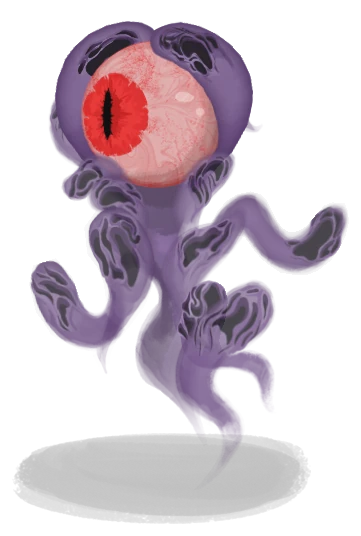 Soul Nexus: at 234 HP, the smallest target.
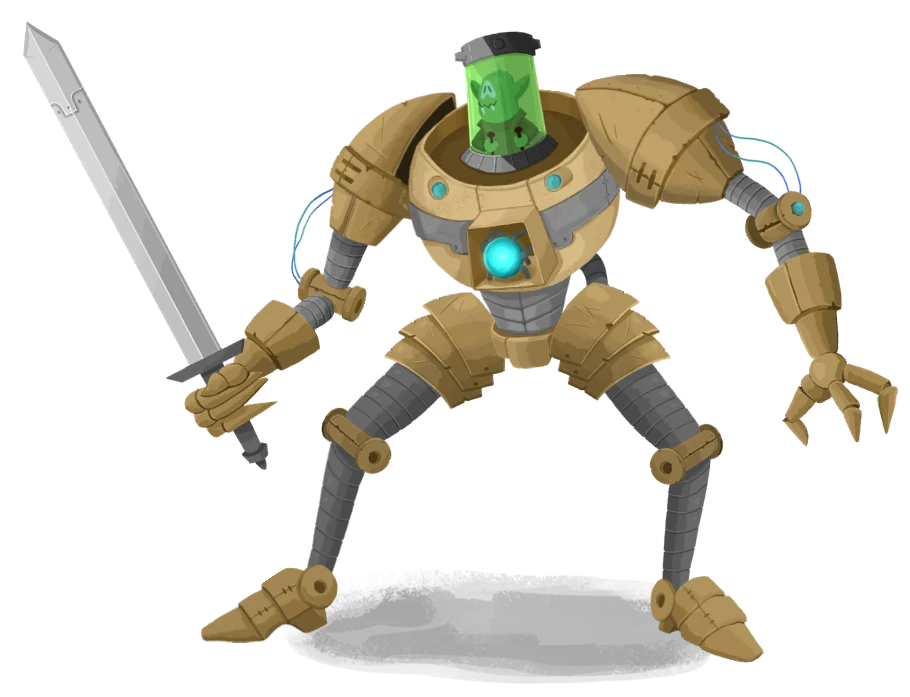 Mecha Knight: at 300, the biggest.
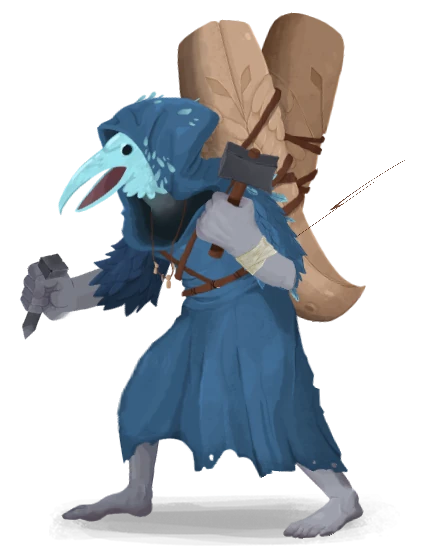 Sculptor: weak fights wait for the Monster rooms you enter, so ? rooms first means facing the 162 HP Sculptor with a stronger deck.
Notes
How the map is dealt
- Queue: types come from a queue (rests, shops, elites, ? rooms) dealt over shuffled points.
- In a line: an elite, rest, treasure or shop never directly follows its own kind.
- At a fork: a rest, fight, ?, elite or shop never shares a parent with its own kind.
- Clean up: leftovers become fights, duplicate path segments are pruned, and a repair pass refills any type that fell short.
- Unused rule: the code has a flag that swaps the treasure row for elites, commented as for a Warden ascension, but the run manager always passes it off.
What a ? room rolls
- Fight: 10%
- Treasure: 2%
- Shop: 3%
- Event: otherwise, never an elite
The odds reset for the act, misses growing by their base chance.
Boss

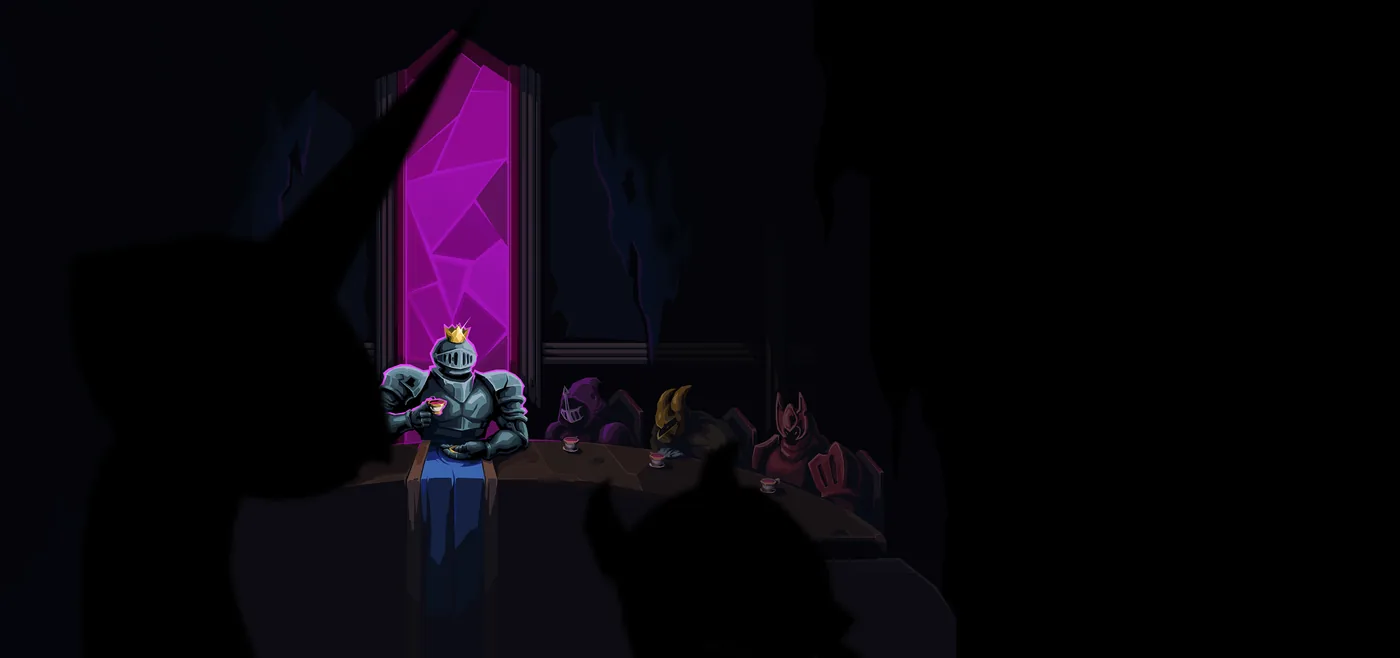
- The boss roll is even, but a Standard run gives you the first unseen boss: Queen, then Test Subject, then Aeonglass.
 Double Boss rolls the second from the two remaining.

 If you haven't bought Slay The Spire 2 yet, it's time. Support the devs, they made an amazing game.
 Get it on Steam